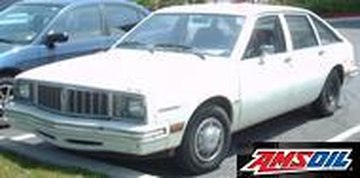
Maintaining Lubrication Standards for the 1982 Pontiac PHOENIX 2.8L
Proper engine maintenance is a cornerstone of long-term vehicle health, particularly when managing an engine that has been in operation for several decades. For the 1982 Pontiac PHOENIX equipped with the 2.8L engine, consistent attention to lubrication and fluid integrity helps ensure the mechanical components continue to operate as intended.Monitoring Fluid Integrity and Potential Seepage
As vehicles age, the materials used in various seals and gaskets can undergo changes in flexibility. For a 1982 model, it is practical to perform regular visual inspections of the engine area to identify any signs of fluid seepage. Rather than assuming a specific component has failed, an owner should look for evidence of oil appearing on the exterior of the engine block or around sealing surfaces. When conducting these inspections, pay close attention to the cleanliness of the area surrounding the engine. Accumulated grime can often hide small amounts of weeping from gaskets or seals. If you notice fresh fluid appearing in areas that were previously dry, it warrants a closer investigation to determine the source. Identifying these minor changes early can assist in managing maintenance needs before they escalate into more significant concerns. In addition to checking for oil, inspecting other relevant components is beneficial. If equipped, check any accessible drive belts for signs of surface cracking, glazing, or fraying. Similarly, if the vehicle is equipped with various rubber hoses, inspect them for any evidence of softening, swelling, or brittleness. Maintaining a clean and dry engine bay makes it much easier to spot these subtle changes in condition during routine checks.Observing Changes in Engine Operation
Effective maintenance involves being attentive to how the vehicle behaves during normal use. While many mechanical issues do not present obvious outward signs immediately, certain changes in operation can serve as indicators that something requires attention. If you notice an unusual odor while driving, it may indicate that fluid is contacting a hot engine component. Such occurrences should be investigated promptly to find the source of the leak. Furthermore, any significant change in how the engine sounds—such as new or unexpected mechanical noises—should be treated as a reason for professional inspection. It is also important to monitor the vehicle's consumption of fluids. If you find that you are needing to add oil more frequently than in previous months, this change in consumption pattern should be noted. While symptoms can have many different causes, a sudden increase in fluid use is a clear signal to check for leaks or other underlying issues. Always remember that a single symptom does not provide a definitive diagnosis; rather, it serves as a prompt to investigate the system more thoroughly.Prioritizing Maintenance Based on Current Condition
For an older vehicle like the 1982 Pontiac PHOENIX, maintenance decisions are often most effective when they are based on the actual, current condition of the engine and its components rather than strictly on the age of the vehicle. Every vehicle has a unique history, and two engines of the same age may require very different levels of attention depending on how they have been used and maintained. If you do not have access to a complete service history for the 2.8L engine, your first priority should be establishing a maintenance baseline. This involves performing a thorough inspection of all fluids, filters, and visible mechanical components to understand the current state of the vehicle. Once this baseline is established, you can move from reactive repairs to more proactive monitoring. When managing maintenance tasks, address active concerns first. If an inspection reveals an active leak or a component that shows significant wear, these should take precedence over general preventive measures. Keeping a detailed log of all completed services, including the dates and observations made during inspections, is one of the most effective ways to manage long-term ownership. This documentation helps you identify patterns, such as how quickly certain fluids are being consumed or how often specific components require attention.The Role of High-Mileage Formulations
As engines undergo many years of service, owners may consider different types of engine oil to suit their needs. Some high-mileage oil formulations contain additives intended for use in aging engines. These specialized lubricants may include seal-conditioning additives designed to help maintain the integrity of various seals and gaskets that have been subject to long-term heat cycles. While these formulations can be a useful tool in a maintenance strategy, they are not a universal solution for all issues. The decision to use a high-mileage product should be made in conjunction with an understanding of the engine's current state. If the engine is already experiencing significant leaks, specialized oil may not resolve the underlying mechanical cause, but it can be part of a broader approach to managing an older powertrain.Effective Strategies for Long-Term Ownership
Successful long-term ownership of a 1982 Pontiac PHOENIX relies on distinguishing between necessary repairs and unnecessary parts replacement. It is easy to fall into the habit of replacing components simply because they are old, but a more effective approach is to inspect aging materials and replace them only when their condition warrants it. Focusing on the following areas can help streamline your maintenance efforts:- Reviewing Records: Always look at previous repair invoices or service logs to see what has already been addressed. This prevents redundant work and helps you understand the vehicle's mechanical trajectory.
- Monitoring Fluid Condition: Regularly checking the appearance and level of engine oil and other vital fluids can provide early warnings of internal or external changes.
- Condition-Based Inspection: Use your eyes and ears. A belt that looks supple and intact does not necessarily need replacement just because it is decades old, whereas a cracked belt requires immediate attention.
- Addressing Trends: If you notice that a specific component or seal is consistently showing signs of seepage, it may be time to plan for a more permanent repair rather than simply topping off fluids.